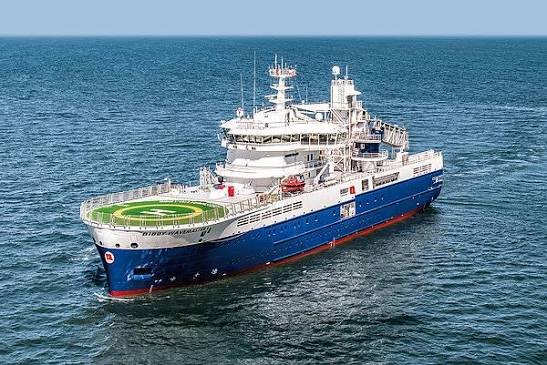
What Is an SOV Vessel? A Complete Guide to Service Operation Vessels
An SOV vessel, or Service Operation Vessel, is a specialized offshore ship designed to support the operation, inspection, maintenance, and repair of offshore wind farms. As offshore wind energy projects move farther from the coastline, traditional crew transfer boats are often unable to provide the accommodation, stability, storage, and operational capabilities required for long-term maintenance work. An SOV vessel solves this problem by acting as a floating offshore base for technicians, engineers, equipment, and spare parts.
These vessels are especially important in the offshore renewable energy industry, where wind turbines may be located many kilometers from the nearest port. Instead of transporting workers back and forth every day, an SOV vessel allows technicians to remain close to the wind farm for several weeks at a time. This improves productivity, reduces travel time, and helps operators maintain turbines more efficiently.
How an SOV Vessel Works
An SOV vessel normally remains stationed near an offshore wind farm for an extended operational period. It carries maintenance teams, marine crew members, tools, workshops, spare components, and supplies needed to service wind turbines.
Technicians can travel from the vessel to individual turbines using a motion-compensated gangway. This advanced access system adjusts for the movement of the sea, helping workers transfer safely between the vessel and the turbine platform. Some SOV vessels also use smaller daughter craft to reach turbines when direct gangway access is not practical.
Once technicians complete their work, they return to the vessel, where they can rest, eat, prepare equipment, and plan the next maintenance task. In this way, the ship functions as a combination of a hotel, warehouse, workshop, transport vessel, and operational control center.
Key Features of an SOV Vessel
One of the most important features of an SOV vessel is its dynamic positioning system. Dynamic positioning uses thrusters, sensors, satellite positioning, and computerized controls to keep the vessel in a stable position without anchoring. This is essential when technicians are transferring to offshore structures.
Modern SOV vessels also include comfortable accommodation areas for technicians and crew. Cabins, dining rooms, recreation lounges, gyms, offices, meeting rooms, and medical facilities may all be available onboard. Since personnel may remain offshore for weeks, good living conditions are necessary for health, safety, and productivity.
Another important feature is the motion-compensated gangway, sometimes known as a walk-to-work system. It provides safer access to turbines in changing sea conditions. Many vessels also include motion-compensated cranes for transferring tools, containers, and replacement components.
Large storage areas and workshops allow technicians to carry out repairs and prepare equipment without returning to port. Some vessels may also have helidecks, drone operation areas, remote monitoring systems, and battery-supported propulsion technology.
SOV Vessel Accommodation
Accommodation is a major part of SOV vessel design. Unlike smaller offshore support boats, an SOV vessel must provide a comfortable living environment for a relatively large number of people.
Technicians generally stay in private or shared cabins with bathrooms, storage spaces, climate control, and communication systems. Catering teams provide regular meals, while recreation areas help workers relax during their off-duty hours.
Noise reduction and vibration control are also important. Offshore vessels operate continuously, and poor accommodation conditions can affect sleep and employee performance. Modern vessel designers therefore focus on quiet cabins, stable interiors, good ventilation, and safe working spaces.
The accommodation section may be separated from machinery and cargo areas to improve comfort and reduce exposure to operational noise.
Read Also: How Businesses Explore Web3 Opportunities
Benefits of Using an SOV Vessel
The main benefit of an SOV vessel is greater efficiency. Offshore wind technicians can begin work quickly because they are already located near the turbines. This reduces the time lost traveling between the wind farm and the shore.
SOV vessels can also operate in more challenging weather conditions than many small crew transfer vessels. Their larger size, advanced stabilization systems, and safe access equipment can increase the number of days on which maintenance work is possible.
Safety is another major advantage. Walk-to-work gangways, dynamic positioning, onboard medical facilities, and organized workspaces help reduce operational risks.
The vessels also support better planning. Spare parts, tools, and technical teams are available onboard, allowing operators to respond more quickly when a turbine requires inspection or repair.
SOV Vessels and Offshore Wind Energy
The growth of offshore wind farms has increased demand for SOV vessels. New wind projects are being developed farther offshore, where turbines are larger and maintenance operations are more complex.
In these locations, daily travel from port may be expensive, slow, and uncomfortable. An SOV vessel provides a practical long-term solution by keeping personnel close to the wind farm.
These ships also support preventive maintenance. Technicians can regularly inspect turbines, identify early signs of damage, and carry out repairs before serious failures occur. This helps wind farm operators reduce downtime and improve electricity production.
Environmental Technology in Modern SOV Vessels
Many modern SOV vessels are designed with fuel efficiency and emissions reduction in mind. Hybrid propulsion systems may combine conventional engines with batteries, allowing the vessel to operate more efficiently during certain activities.
Some vessels are prepared to use alternative fuels, while others include shore power connections that allow onboard systems to run on electricity while the vessel is in port.
Energy-efficient hull designs, smart route planning, waste management systems, and advanced engine controls can further reduce environmental impact. These improvements are particularly important because SOV vessels serve the renewable energy industry.
Conclusion
An SOV vessel is an essential support ship for modern offshore wind farms. It provides accommodation, transportation, maintenance facilities, equipment storage, and safe turbine access in one integrated platform.
By allowing technicians to live and work close to offshore turbines, SOV vessels reduce travel time, improve safety, and increase maintenance efficiency. As offshore wind farms continue to expand into deeper and more distant waters, the role of the SOV vessel is likely to become even more important in supporting reliable and sustainable energy production.